
 Nikole Stewart
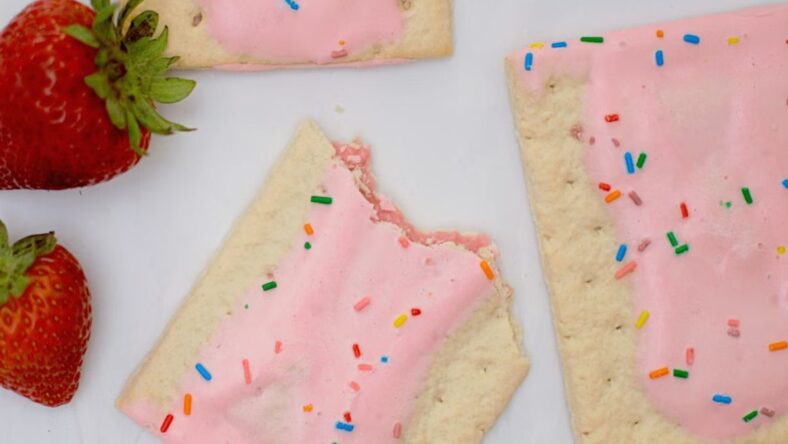
What might be a delicious and fun food for you might be one of the many foods that have been banned in other countries. Every country has its own laws and regulations regarding what it allows its citizens to consume. If you want to explore what foods are banned in various countries, then keep reading to learn a few.
6. Raw Milk and Unpasteurized Products
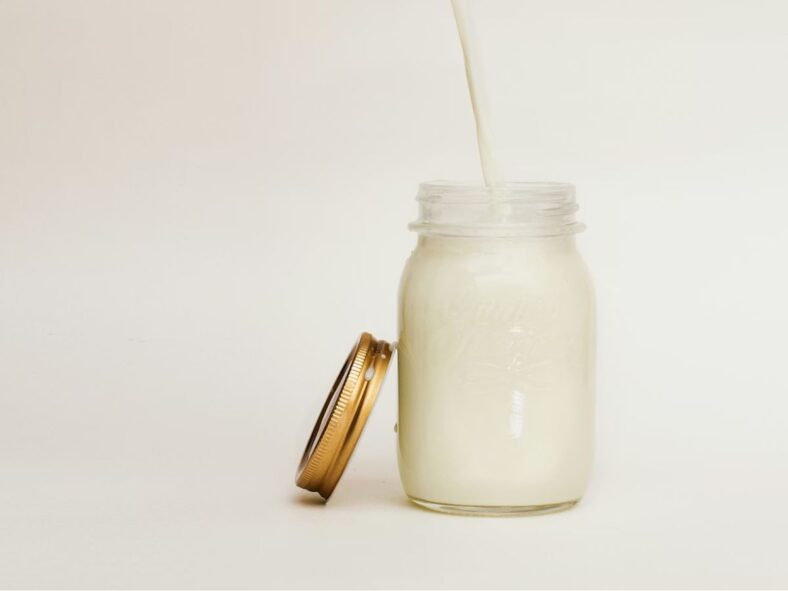
In the United States, the federal law bans the interstate selling of raw milk; however, it does allow states to set their own rules for in-state sales. Along with raw milk, this is the same for unpasteurized products, like apple juice. This is because products that are not pasteurized have bacteria that are harmful, such as E. coli and Salmonella, that causes serious illnesses.
5. Citrus Sodas
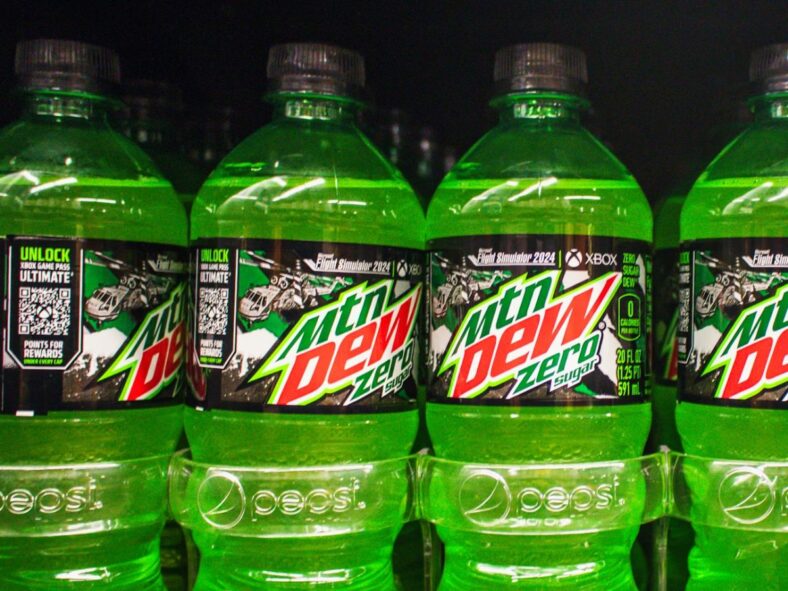
While common in the United States, citrus soda is one of the many foods that have been banned in Europe and Japan. Citrus-flavored soda, such as Mountain Dew, is known for their vibrant colors. However, the reason that it’s banned is due to the Brominated Vegetable Oil, or BVO, a food additive used to emulsify citrus flavorings in beverages, which prevents it from separating.
4. Skittles
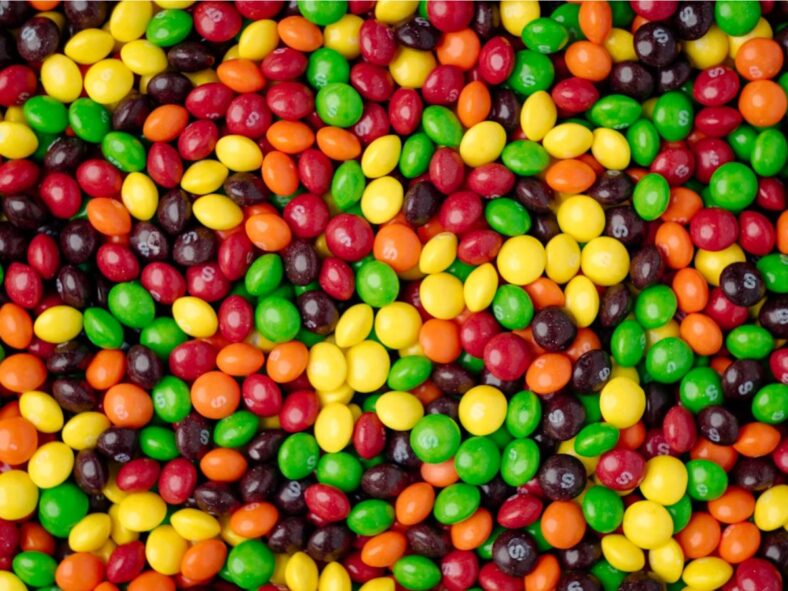
Unfortunately, not everyone can taste the rainbow, as Skittles are one of those foods that have been banned in other countries. This favorite candy offers fruit-like flavors with a chewy texture that is just addictive. However, it includes titanium dioxide, which is used to tint foods. However, in 2022, the European Union implemented a complete ban on this additive, even though the FDA approves of it.
3. Pop-Tarts
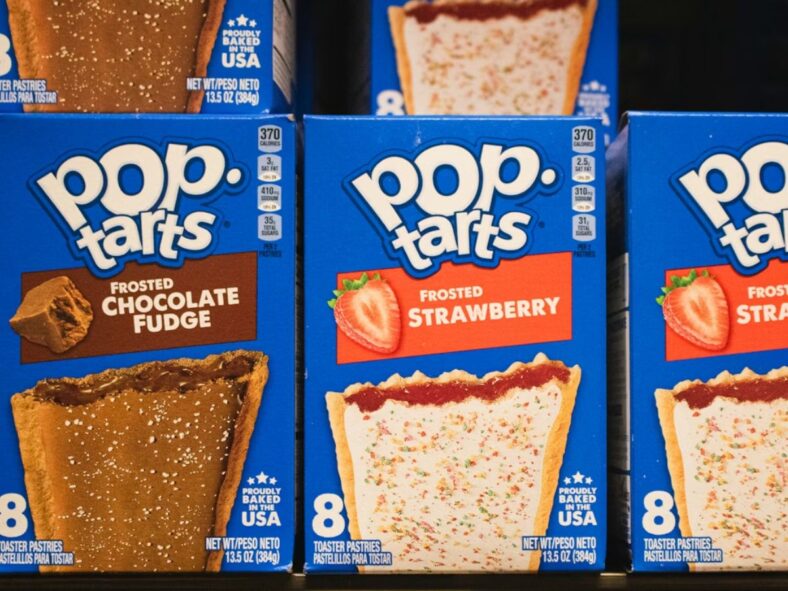
Again, another amazing treat for most families, especially as a quick breakfast solution, is one of the many foods that have been banned. Thanks to various food dyes, including Red 40 and Yellow 5, which are the reason behind this. Other colors, including Blue 1, which are added to the Blueberry and Wild Berry flavors, are completely banned from some countries as well. While not prohibited throughout the European Union, countries do have to have a warning label saying that they could be harmful.
2. Ritz Crackers
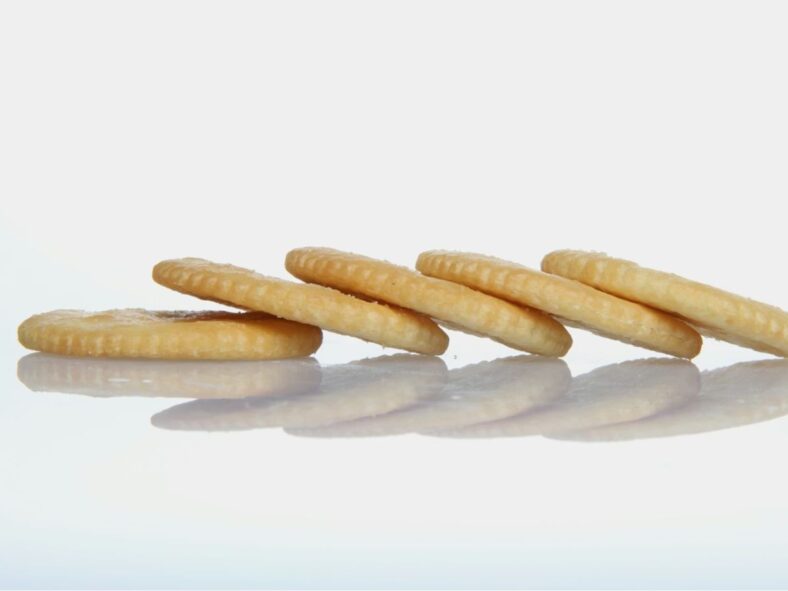
Interestingly enough, a favorite cracker that pairs well with charcuterie boards, soups, or just with a smear of peanut butter is one of the many foods that have been banned in other countries. In some countries, including the European Union, Canada, Brazil, and China, the cracker isn’t sold due to the addition of potassium bromate, an additive often used in baked goods to create a more palatable texture.
1. Twinkies
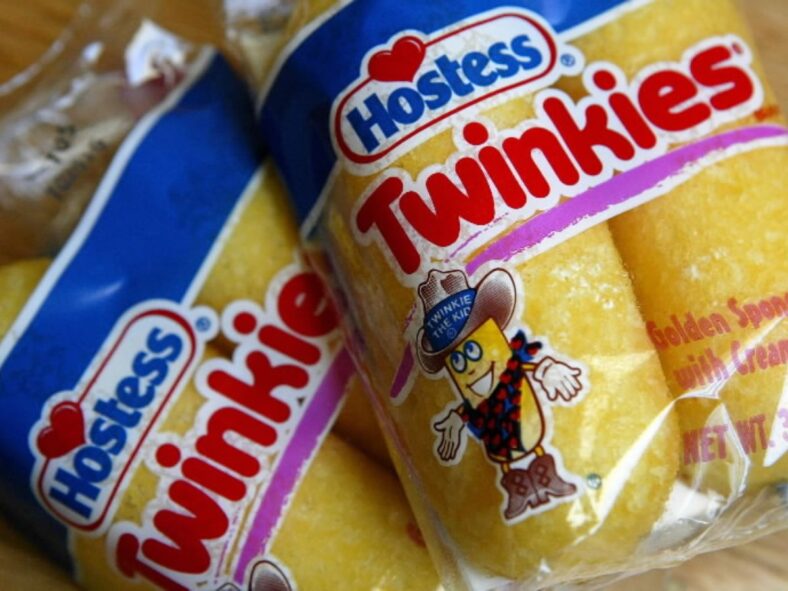
Norway and Austria will never get to taste this classic dessert thanks to the concerns over Yellow 5 food dye. While Twinkies are a popular treat that has stood the test of time, the dye included in them has made many countries raise an eyebrow. While not prohibited throughout the European Union, countries do have to have a warning label saying that they could be harmful.