
 Nikole Stewart
Constant changes have been made throughout history. And while some are more extreme, like changing laws and policies, others are more minute, like these ingredients that were once banned in the US, but can be found today easily. Whether it was believed that these were dangerous ingredients, or it was in hopes of saving resources, let’s explore these common ingredients that were once banned.
5. Sliced Bread
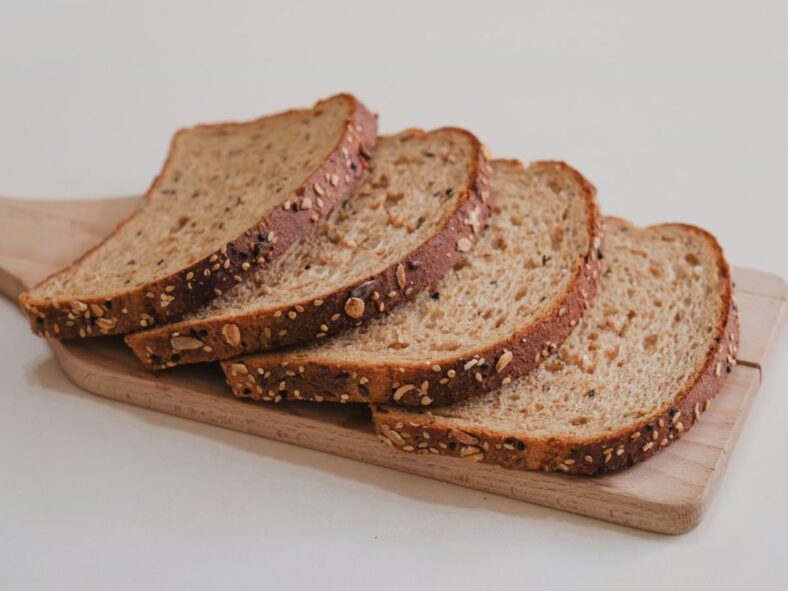
Wait, you mean the staple on most grocery lists? Yes, apparently, sliced bread was one of the many ingredients that were once banned in the US. First sold commercially in 1928, sliced bread was a hit. However, it was eventually banned 15 years later to conserve wartime resources, according to U.S. Secretary of Agriculture Claude R. Wickard. The hope was that banning sliced bread would conserve alloyed metal, which is used to slice bread, and wax paper, used to wrap it.
Unfortunately, it was met with immediate backlash, especially for housewives. So much so that one wrote about the importance of sliced bread in the New York Times. That, along with the declining sales in many stores, caused chaos. Only a few months later, sliced ban was unbanned, with Wickard saying that “the savings are not as much as we expected.”
4. Saccharin
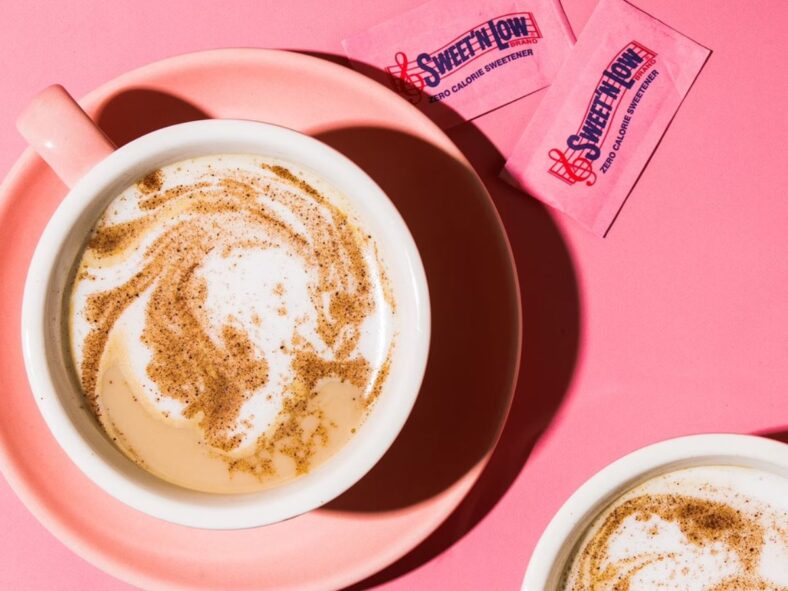
Back in 1977, the Food and Drug Administration (FDA) announced that saccharin in food and beverages would be banned. According to The New York Times, the FDA found that the artificial sweetener causes malignant bladder tumors in laboratory animals.
However, by the 1980s, their stance softened, with many discovering that the actual risk amongst humans was minimal. In 1991, the FDA withdrew its ban, and by 2000, the warning label requirement was even removed.
3. Blackcurrant
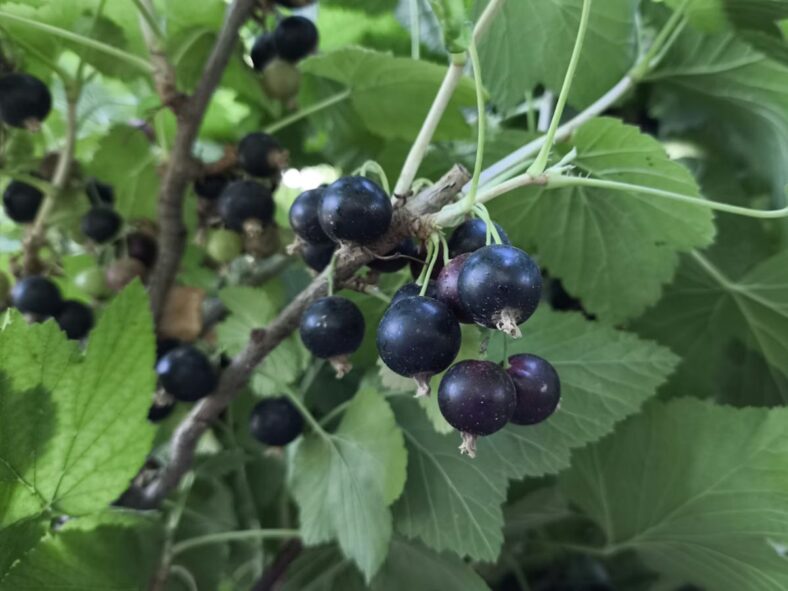
While now recognized for their remarkable nutritional value and flavor, blackcurrants were one of the many ingredients that were once banned in the US. From 1911 to the early 2000s, the cultivation and sale of blackcurrants were prohibited at the federal level. The berries were native to northern Europe and Asia, known for their striking purple-black color, and were banned to protect the white pine timber industry from the spread of white pine blister rust, which was a destructive fungal disease.
However, thanks to Greg Quinn, who purchased Walnut Grover Farm in 1999, a change was made for blackcurrants in the US. Partnering with researchers from Cornell University, Quinn confirmed that modern currant cultivators could safely grow without threatening local pine populations. Thanks to this, in 2003, the ban on currants was lifted, and in 2004, CurrantC, founded by Quinn, was the first legal, commercial black currant farm.
2. Stevia
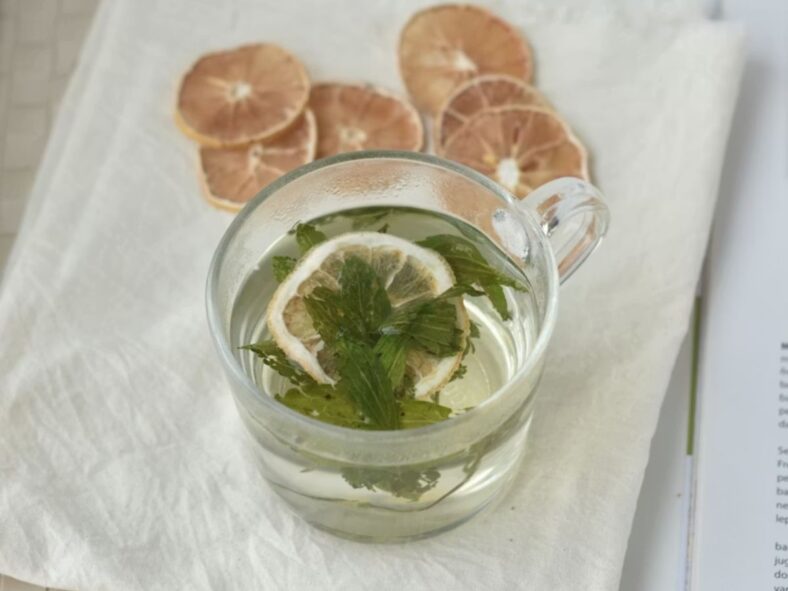
Stevia is one of the most popular sugar substitutes made from leaves of the Stevia plant in South America. And surprisingly, it was one of the many ingredients that were once banned in the US. First introduced in 1970, the artificial sweetener was later banned in 1991 due to inadequate toxicology information and speculation from studies that it may cause cancer.
Thanks to republished work in Food and Chemical Toxicology, the ban has since been lifted, and stevia has been reintroduced. Per FDA, according to Green Matters, purified stevia extracts, whcih has to fall under a 95 percent minimum purity standard, are able to be imported and used as a sweetener; crude stevia is not.
1. Mangosteen
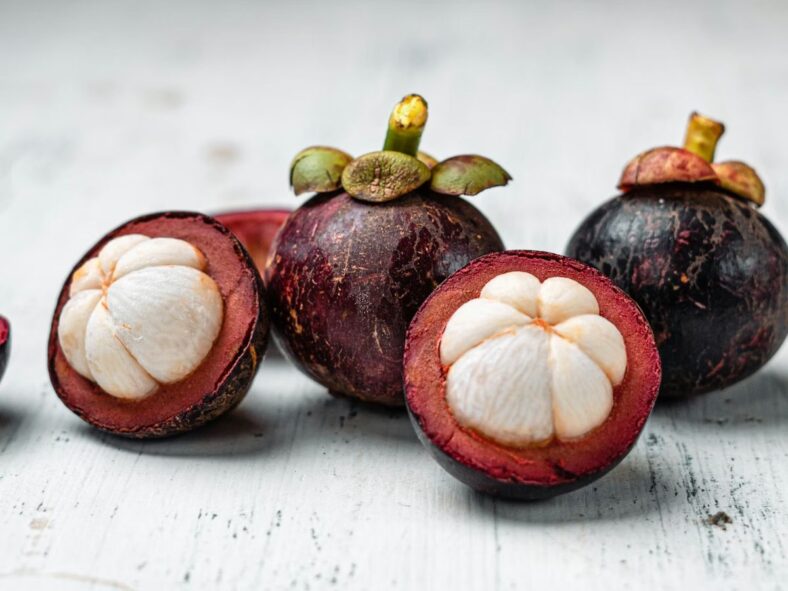
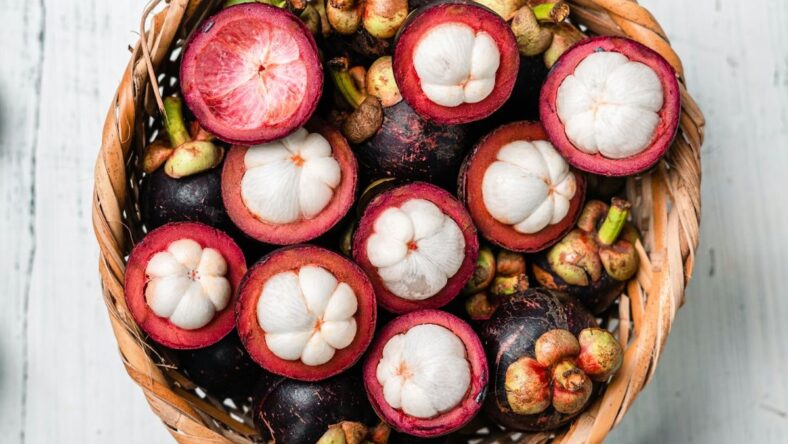
Mangosteens are known for their sweet-sour and creamy interior with a thick, purple exterior. And according to Mashed, plant expert David Fairchild said mangosteens are “so delicate that it melts in the mouth like ice cream. The flavor is quite indescribably delicious.” And interestingly enough, this delicious fruit is one of the many ingredients that were once banned in the US.
The main reason was the fruit flies. Mangosteen is known for being difficult to cultivate. Thanks to its need for plenty of humidity, it’s hard to grow. Along with that, they’re horrible to transport, as they spoil easily. But mainly, they were banned because they were often infested with Mediterranean fruit flies, which meant they weren’t allowed in the US. However, once they began to disinfect them around 2007, they were allowed in.